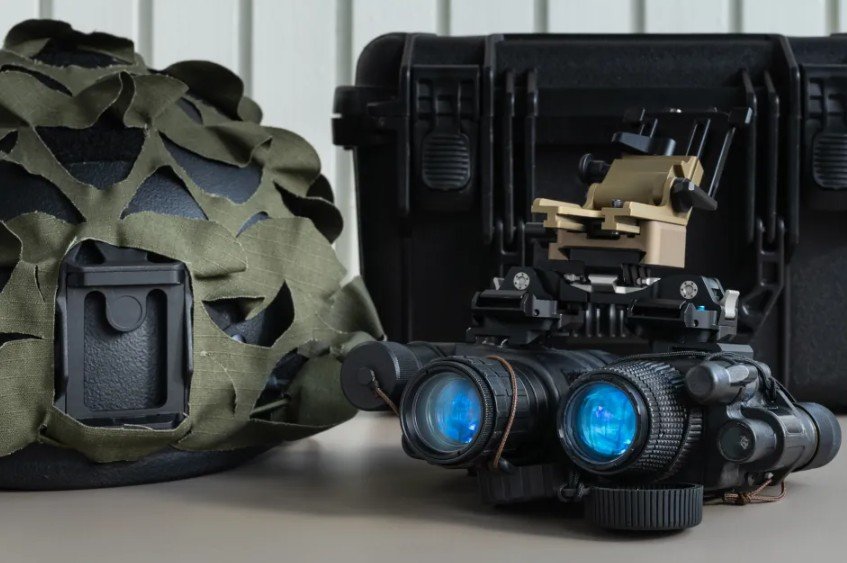
Idaho has introduced major new restrictions on hunting technology, especially for big game and game bird hunting. The changes are aimed at protecting “fair chase” hunting ethics and limiting the growing use of advanced tools like drones, thermal optics, and transmitting trail cameras.
Honestly, this has become one of the biggest debates in western hunting lately. Some hunters think the rules protect traditional hunting. Others feel modern technology was being unfairly targeted.
Either way, the rules are now real, and hunters in Idaho need to understand them before heading into the field.
What Technologies Are Restricted in Idaho?
Under Idaho’s updated hunting regulations and House Bill 939, several technologies are restricted during certain hunting seasons.
The main restricted technologies include:
- Thermal imaging devices
- Night vision optics
- Drones (unmanned aircraft systems)
- Transmitting or cellular trail cameras
The restrictions mainly apply when hunting:
- Big game animals
- Game birds
The seasonal restriction period generally runs from August 30 through December 31 each year.
Thermal Imaging and Night Vision Restrictions
Thermal Scopes Are Now Limited
One of the biggest changes involves thermal imaging technology.
Previously, Idaho had very limited rules about thermals for big game hunting, which created a legal gray area. Hunters were using thermal optics for scouting and locating animals like elk and deer.
Now, during the restricted season:
- Thermal imaging cannot be used for scouting
- Thermal devices cannot be used for hunting
- Thermal optics also cannot be used for retrieval activities tied to big game hunting
Night vision devices face similar restrictions.
I’ve seen hunters online reacting pretty strongly to this. Some say thermal hunting removes the challenge completely. Others argue it improves ethical shot placement.
The state clearly leaned toward the “fair chase” side of the debate.
Drone Restrictions for Hunting
Drones Cannot Be Used for Scouting or Tracking
Drones were another major focus of the law.
Hunters cannot use drones or aircraft to:
- Scout animals
- Locate game
- Assist with hunting activities
during the regulated season for big game hunting.
This includes:
- Thermal drones
- Camera-equipped drones
- Remote scouting drones
The concern from wildlife officials was that drones gave hunters too much advantage over animals, especially in remote terrain.
And honestly, I can kinda see both sides.
A drone can cover miles in minutes. Traditional hunters argue that removes the skill and unpredictability from hunting.
Cellular Trail Camera Restrictions
Standard Trail Cameras vs Transmitting Cameras
This part confused a lot of people at first.
The new Idaho rules do not ban all trail cameras. They specifically target transmitting trail cameras—basically cameras that send images in real time using cellular or internet connections.
During restricted dates:
- Cellular trail cameras are banned on public lands for hunting and scouting
- Traditional SD-card trail cameras remain legal
That distinction matters.
A lot of hunters initially thought every trail camera would become illegal, which wasn’t true.
Exceptions to the Rules
Predator Hunting Exceptions
The law includes several important exceptions.
Restrictions may not apply in the same way to:
- Wolves
- Mountain lions
- Certain predator management activities
The state wanted to avoid harming predator control efforts.
There are also exceptions involving:
- Retrieval of wounded animals in some situations
- Agricultural protection uses
Still, hunters should carefully review current Idaho Fish and Game regulations before assuming an exception applies.
Why Idaho Added These Restrictions
The push came from Idaho’s “Hunting and Advanced Technology” working group, often called the HAT group. It included hunters, trappers, outfitters, and wildlife stakeholders.
The main concern was that technology was changing hunting too much.
Many hunters surveyed in Idaho supported limits on:
- Thermals
- Night vision
- Drones
while still supporting normal optics and mapping tools.
The phrase that keeps showing up is “fair chase.”
Basically:
- animals should still have a reasonable chance to escape
- hunting shouldn’t become fully technology-driven
- wildlife harvest rates need to stay sustainable
That’s the philosophy behind the restrictions.
Penalties for Violating the Law
Violating the technology restrictions can result in:
- Misdemeanor charges
- Fines up to $1,000
- Possible jail time
- Suspension of hunting privileges for up to three years
That’s serious enough that hunters should not assume enforcement will be relaxed.
Especially with drones and thermals becoming easier for officers to identify.
Hunter Reactions Have Been Mixed
I spent some time reading reactions online, and wow… opinions are all over the place.
Some hunters strongly support the restrictions, arguing that:
“They are called sportsmen for a reason.”
Others feel technology bans are outdated or unnecessary.
There’s also frustration from hunters who invested thousands of dollars into:
- thermal optics
- smart scopes
- cellular trail camera systems
and now face seasonal limitations.
One Reddit user mentioned spending around $5,000 on a thermal setup that can now mainly be used for predators instead of deer or elk hunting.
Honestly, I get why people are frustrated. Hunting technology has evolved fast, and regulations are struggling to keep up.
Idaho’s Rules Reflect a Larger National Trend
Idaho isn’t alone here.
States across the western U.S. have been debating restrictions on:
- thermals
- AI-assisted optics
- drones
- trail cameras
Utah, Colorado, and Oregon have all discussed or adopted similar technology restrictions tied to hunting ethics and wildlife management.
This probably won’t be the last round of changes either.
As AI optics and smart scopes improve, more regulations are likely coming.
Conclusion
Idaho’s new hunting technology restrictions represent one of the biggest shifts in western hunting regulations in years.
The state now limits the use of:
- thermal imaging
- night vision
- drones
- transmitting trail cameras
during major hunting seasons for big game and game birds.
Supporters say the rules preserve fair chase hunting traditions and protect wildlife populations. Critics argue they limit innovation and punish responsible hunters using modern equipment.
Either way, hunters in Idaho now need to pay close attention to what gear is legal before entering the field.
Because the penalties—and the confusion—are very real.
FAQ: Idaho Hunting Technology Restrictions
- What hunting technology is banned in Idaho?
Idaho restricts thermal imaging, night vision, drones, and transmitting trail cameras during certain hunting seasons.
- When do the restrictions apply?
Generally from August 30 through December 31 each year.
- Are all trail cameras illegal in Idaho?
No. Traditional non-transmitting trail cameras are still allowed.
- Can hunters still use drones recreationally?
The restrictions target hunting-related scouting and hunting activities, not all recreational drone use.
- Are predator hunters exempt from some restrictions?
Yes, certain predator hunting and management activities may qualify for exceptions.
- What happens if someone violates the law?
Penalties can include fines up to $1,000, jail time, and suspension of hunting privileges.
- Why did Idaho create these rules?
The restrictions were created to support fair chase ethics and manage growing hunting technology concerns.
- Do the rules apply to all hunting?
Most restrictions specifically target big game animals and game birds.